Toileting Routines for Children Spanish




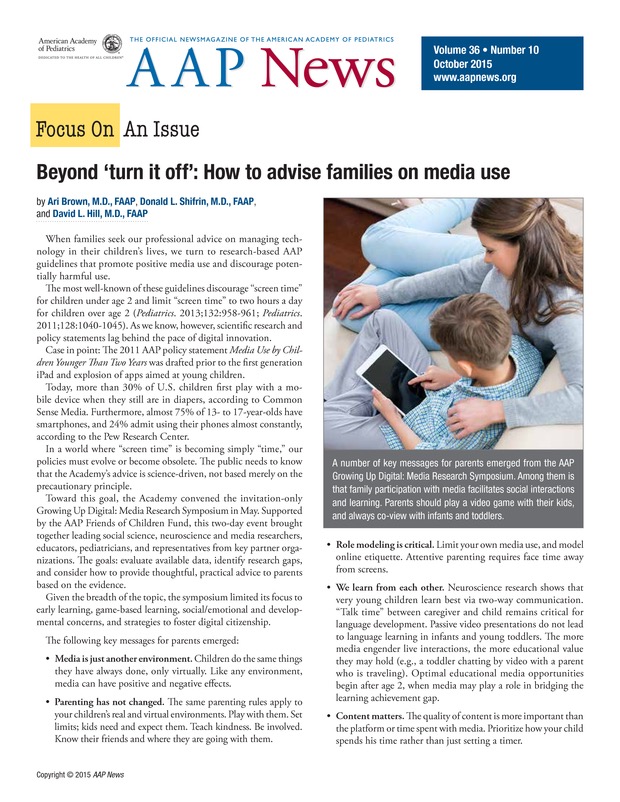
The American Academy for Pediatrics recommends no screen time for children under the age of 2.
How does TV affect the development of the children we serve?
Referrences:
https://www.healthychildren.org/English/family-life/Media/Pages/Why-to-Avoid-TV-Before-Age-2.aspx
Compiled by Sara Torten MS, OTR/L
The Center for the Partially Sighted: Pediatric Services
Tarzana, California
“Getting and Keeping Glasses on Young Children”
Good Fit: To ensure success in getting your child to wear glasses it is important that you purchase the glasses from someone who is experienced in fitting a young child. Make sure that the nose and earpieces are not too tight and fit well. If the fit isn’t right the first time, the shop should be happy to adjust them, or they can possibly provide a glasses strap or curved earpieces to help to keep the glasses on.
Looking good! Let the young child choose new frames for their prescription glasses. Whenever a young child picks their own frames it helps them take pride in their ownership. Parents can assist their child by providing several suitable choices. They should be supportive and compliment their child by telling them they look good wearing their new eyeglasses. This helps the child’s self-confidence.
Parents should consider price, style, and fit when helping their child choose new eyeglass frames. They should also take into consideration that young children frequently break or lose eyeglasses. In some instances parents may decide paying a little more, for better durability or for free warranty replacement, is worth the additional cost.
Desensitization: Prepare your child for glasses by massaging temples and bridge of nose and behind the ears to get the child used to having the glasses touching in those areas. Desensitization is the goal. Other activities for desensitization: Rub the areas gently with cotton balls, various fabrics (i.e. Velvet, Terry Cloth), tap the above-mentioned areas with the eraser of a pencil or your finger, or use an empty roll-on deodorant bottle or a mini-massager, as tolerated.
Practice pair: Let a young child adjust to wearing new eyeglasses with a “breaking-in” period to establish the habit of wearing glasses. Wearing sunglasses or even toy “dress-up” glasses can help a young child get a “feel” for wearing eyeglasses before actually doing so. After new prescription eyeglasses are picked up, allow the young child some adjustment time until they feel comfortable wearing their new eyeglasses full time. Be patient with a young child as this may take a few days.
Slow: Once the prescriptive pair is available, start slow with short increments of wearing that you gradually increase. Encourage your child to wear their new eyeglasses; praise them for doing so, especially until they get into a regular, routine habit of wearing their new eyeglasses.
Special time: Have the child look at a book with you, watch T.V. or participate in a close-up activity to help them appreciate the importance of wearing their new eyeglasses. Parents can use these experiences to actually demonstrate to their child the positive difference wearing eyeglasses can make in improving their vision.
Physical and verbal cue: If your child attempts to take the glasses off, gently hold his/her hand and say “glasses on”.
Glasses strap: Use of a strap for the glasses is the best friend of many parents. Of course, they help to keep the glasses securely in place and your child can’t flick them off easily.
If they help they will wear them: Many parents report that once the child notices that the glasses help them see better they wear them without complaint.
If after several days a child is still having difficulty adjusting to wearing their new glasses try and determine why. Ask them why they won’t wear their new eyeglasses. Try to resolve the child’s issues and concerns. Children may offer various complaints. Do take it seriously if they report not wearing their eyeglasses because they hurt their eyes or can’t see. As parents you know the opposite is supposed to be true, but take this complaint seriously until proven otherwise. There is always a chance your child is telling you the truth.
A simple eyeglass adjustment is fairly easily resolved, but there may be other possibilities to consider. Laboratories can and sometimes do make mistakes. The prescription lenses you ordered might not be the ones your child received. Whenever in any doubt, have your child’s eye doctor double check the eyeglass prescription. There may even be other potential possibilities to consider as well.
We all have daily routines. Routines might be different from person to person but we all use them to help us get through the day. Routines for the most part do not mean things happen in the exact same time every day, but rather an activity is sequenced in the same way (for example – we wash hands before eating, we sit at a table, we eat together, we then take our plate to the sink) Routines provide many benefits for young children –
Based on “Routines and Why They are Important” from Zero to Three

